

“The conference is like a family vacation. We meet old friends and we make new friends. The connection to international researchers and clinicians gives us an impulse on what we can improve today and also provides insights and hopes on better treatments in the future.”
Father of a 11 year old girl with cystinosis

The CNE International Conference 2026 was hosted by Cystinosis Ireland
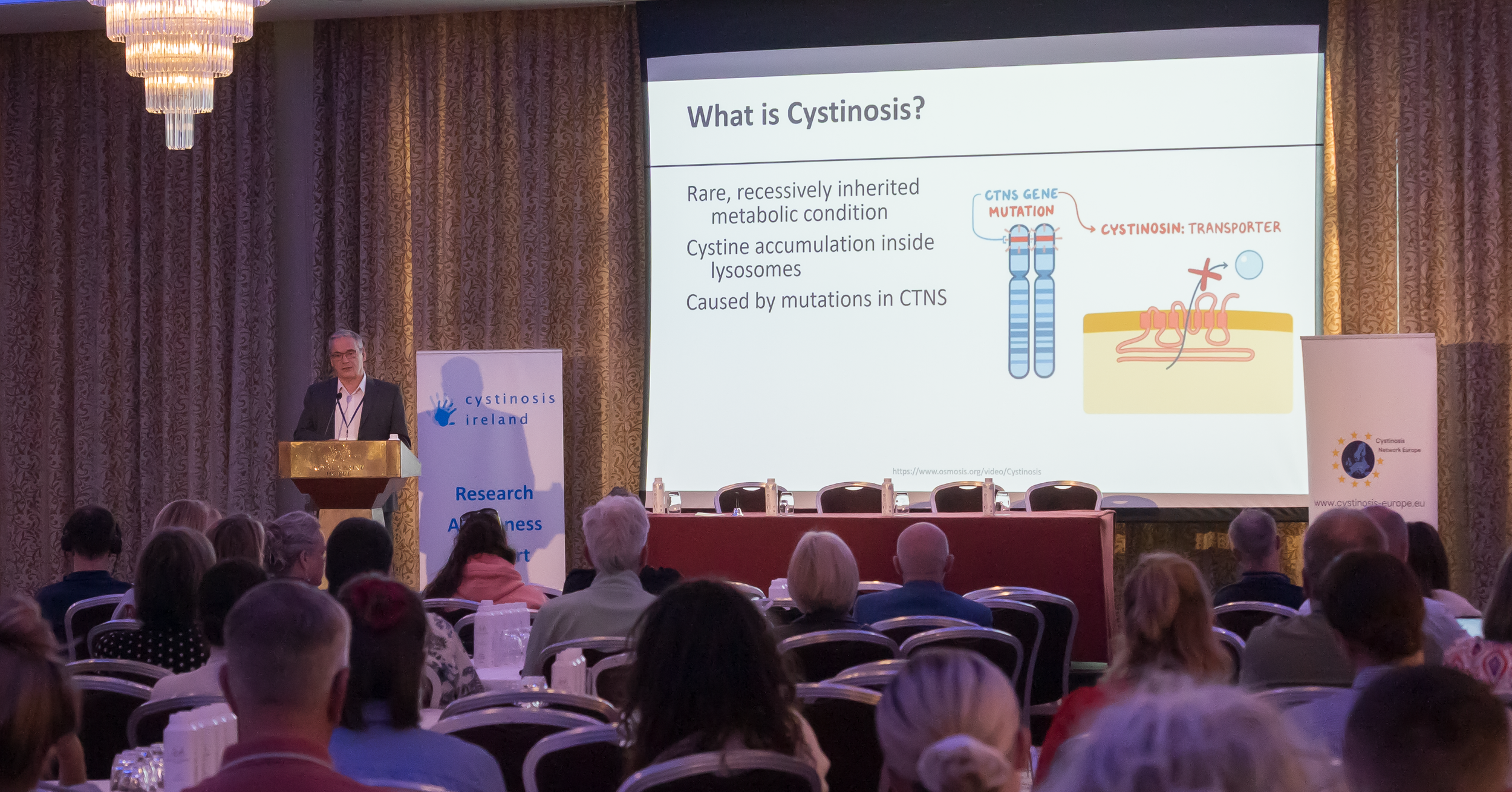
In July, Cystinosis Ireland hosted the 5th Cystinosis Network Europe (CNE) 2026 International Conference in Dublin. The conference theme, “Cystinosis Solidarity", reflected the collaborative spirit that has driven progress in the field over recent decades. Over three days, 280 attendees including adults with cystinosis and family members, clinicians, researchers and industry partners attended to learn, share and grow relationships.
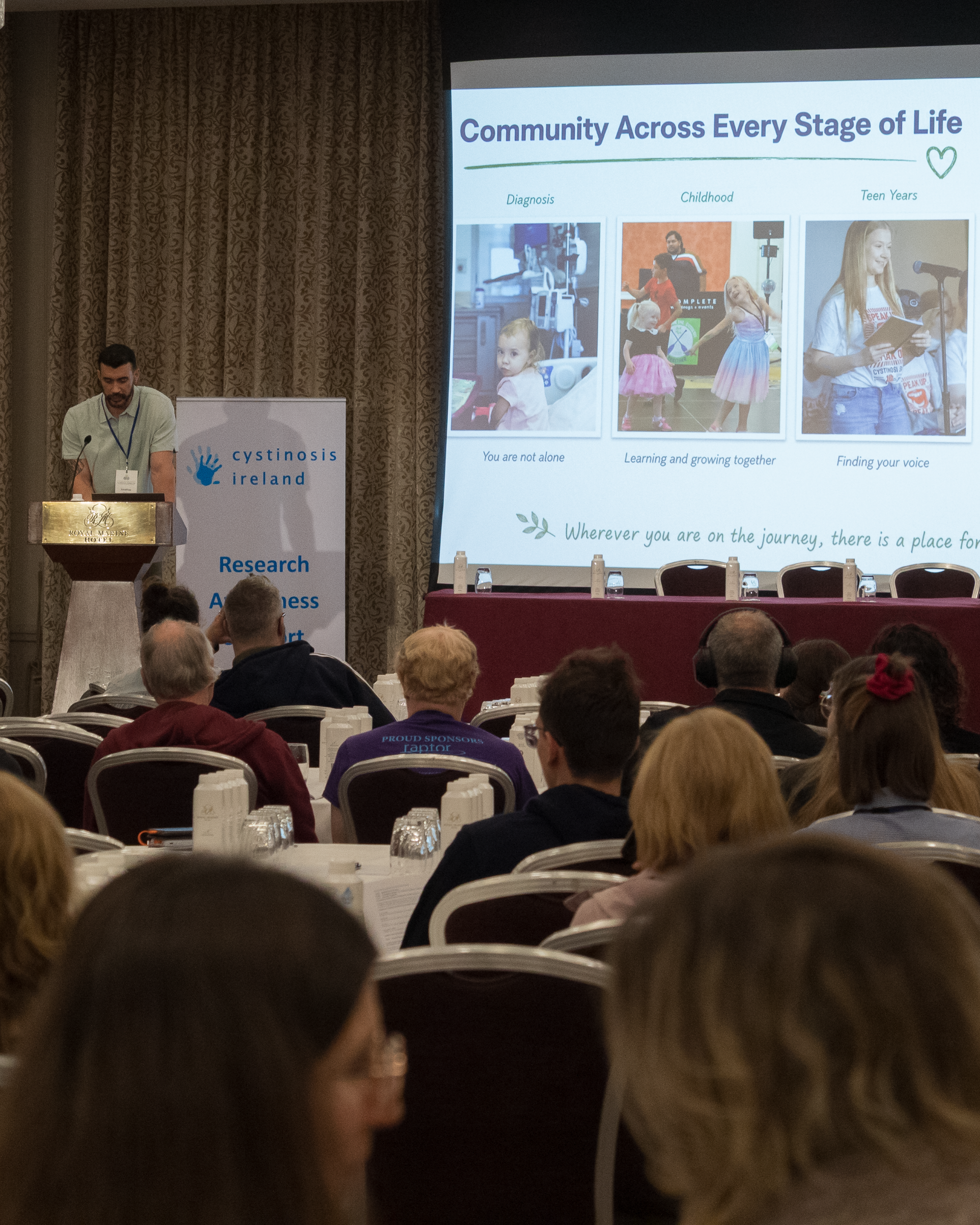
The first day was a scientific meeting where presentations highlighted the growing maturity of cystinosis research, with multiple therapeutic approaches now advancing toward clinical application alongside continued efforts to improve patient care and quality of life. Days two and three were family focussed with updates on research, themed break out sessions, activities for adults with cystinosis, a teenager programme and social opportunities for everyone. The meeting was made more accessible to all with childcare onsite and translation from English to Dutch, French, German, Italian, Spanish, Russian and Turkish. We were proud to welcome first time attendees from Azerbaijan, Canada, Japan, Slovenia and Switzerland as well as representatives from across the globe.
The meeting showcased the latest advances in cystinosis research and highlighted the extraordinary progress being made across multiple areas of science and patient care. One of the most exciting developments discussed was the continued progress of gene therapy. Delegates heard updates on ongoing clinical trials and learned that the first patient has now been treated in an important new cystinosis gene therapy study. Researchers also shared encouraging results from emerging mRNA-based treatments and innovative gene-editing approaches that aim to correct the underlying genetic cause of the disease.
The conference featured presentations on several new therapeutic strategies targeting disease mechanisms beyond cystine accumulation. These included advances in nanotherapeutics, metabolic therapies, autophagy-based treatments and the development of CF10, a novel cysteamine prodrug designed to improve treatment tolerability.
Improving quality of life remained a key focus throughout both the scientific and family events. Sessions covered eye health, muscle disease, transition to adult care, voice disorders and rehabilitation. Researchers also presented promising work on cysteamine-releasing contact lenses that could significantly reduce the burden of daily eye-drop treatment.
The meeting highlighted the importance of international collaboration and patient involvement in driving progress. Researchers from Europe, North America, Japan and beyond shared findings and discussed future opportunities to accelerate the development of new treatments.
A particular highlight was the Scientific Poster Competition, which showcased innovative work from early-career researchers and demonstrated the strength of the next generation of cystinosis scientists. A special congratulations was extended to Roger Mora (KU Leuven, Belgium), who received the award for Best Scientific Poster for his research on precision gene-editing approaches for cystinosis.
During the family conference, attendees also voted for the researcher who most successfully communicated their work in accessible, non-scientific language. The Prize for Best Lay Presentation was jointly awarded to Ananya Singh (KU LEuven) and Ann-Engelke Timm (Utrecht University). Their presentations demonstrated the importance of ensuring that scientific discoveries can be clearly understood by the patients and families who are at the heart of cystinosis research.
This dual focus on scientific excellence and patient-centred communication remains a defining feature of the CNE International Conference and reflects the strong partnership between researchers and the global cystinosis community.
Organising Committee
CNE is grateful for the skill, knowledge and expertise of our organising committee in developing this conference. Those members are:
Prof Atif Awan, Consultant Paediatric Nephrologist,Children’s Hospital Ireland, scientific chair
Ms Anne Marie O’Dowd, Cystinosis Ireland board member & CNE chair
Karen McCullagh, CNE & Cystinosis Ireland board member, family chair
Dr Rachel Bishop, Assistant Professor of Ophthalmology, Johns Hopkins
Dr Ruth Davis, Cystinosis Ireland Research Committee Member
Mr James Ennis, board member Cystinosis Ireland (family programme)
Prof Dr Katharina Hohenfellner, Head of Pediatric Nephrology at the Children’s Hospital, Rosenheim.
Dr Jennifer Hollywood, School of Medicine, University College Cork
Ms Sinead Maguire, Cystinosis Ireland (family programme)
Dr Tracey McCauley, Research Manager Cystinosis Ireland
Dr Achim Treumann, Cystinosis Ireland Scientific Advisor
Dr Koenraad Veys, MD PHD, Paediatrician, Consultant in Paediatric Nephrology, KU Leuven
Ms Denise Dunne, Co-ordinator, CNE
The CNE International Conference is kindly supported by unrestricted grants. Our sponsors include:


Previous Conferences
You can find details of our previous conferences on our Conference Archive page
Sponsors
The CNE International Conference could not take place without the support of our member organisations, in particular our hosts, Cystinosis Ireland.


Our Conference
Filters
No results found
No results match your search. Try removing a few filters.